

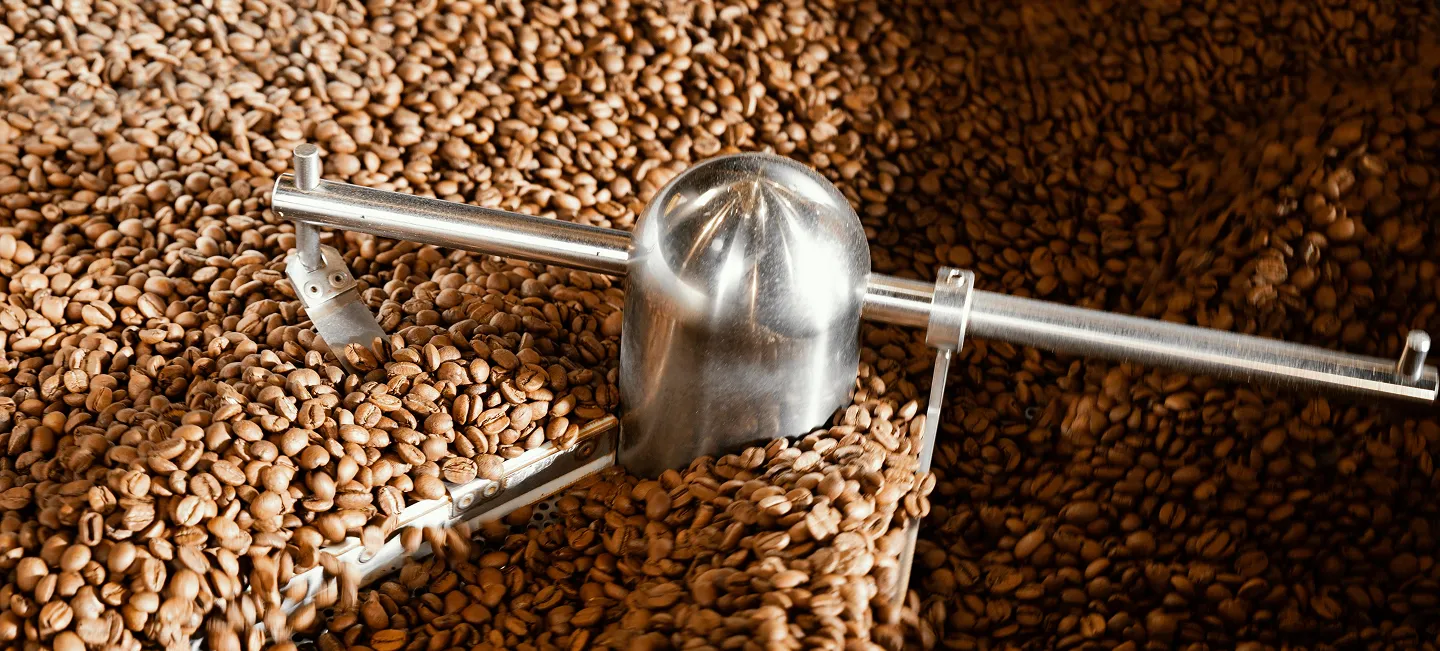

Grain and oilseed drying services using state-of-the-art equipment.
We guarantee uniform drying, preservation of nutritional value, and minimal weight loss.
Integer tempor mi non velit tristique vel sagittis orci contetur Viva mus fibus efficitur porta Integer vitae.
.webp)
.webp)
.webp)
Transparent rules and fair agreements for a long-term partnership

We provide grain and oilseed crop drying services for agricultural producers, traders, suppliers, and companies working with wholesale raw material batches. We accept batches from 100 tonnes and help bring products to the required moisture level before storage, sale, transportation, or further processing.
Drying is needed when a batch has elevated moisture and it's risky to leave it in that condition. Excess moisture can complicate storage, affect quality, create spoilage risks, and reduce the commercial suitability of the product. That's why it's important for the batch owner to organize the process with intake, weighing, parameter assessment, and a further route for the product.
We work in a format convenient for B2B clients: we agree on the crop, volume, initial moisture, target result, payment procedure, and further steps with the batch. If needed, drying can be combined with storage, so the product doesn't have to be shipped out right after processing, giving more flexibility in further logistics or sale.
We dry grain and oilseed crops. We work with wheat, barley, corn, sunflower, soybean, rapeseed, and other crops by prior agreement. Specific terms depend on the type of product, batch volume, initial moisture, target indicator, and further use.
Each crop has its own important parameters. Grains and oilseeds respond differently to moisture, storage, impurities, and further processing. That's why, before starting the work, we clarify not just the crop name, but also the actual condition of the batch, its volume, initial moisture, target indicator, and further scenario: storage, shipment, sale, or processing.
We don't apply a single template to every batch. If the raw material has specific indicators, needs additional assessment, or is planned for long-term storage, it's better to agree on these points before intake. This makes it easier to define the real drying conditions, avoid delays, and properly plan the work with the batch.
The process starts with a request and clarification of parameters. The client provides the crop, approximate volume, initial moisture, desired result, storage needs, and further plan for the batch. After that, we agree on intake conditions, the drying procedure, the tonne-percent calculation, and the option for comprehensive service.
The batch then arrives at the facility and goes through intake, weighing, and assessment of indicators. This matters to the client because drying must rely on the product's actual parameters, not rough estimates. After the assessment, we determine how much moisture needs to be removed and what drying volume will be included in the calculation.
After drying, the batch can be prepared for shipment or left in storage under agreed terms. This format is convenient when the client needs not only to bring the product to the required moisture level, but also to organize the further movement of the batch without unnecessary logistics gaps.
Drying payment is calculated per tonne-percent. This is a straightforward model for working with wholesale batches: it accounts for the product volume in tonnes and the number of moisture percentage points that need to be removed during drying. In other words, the client pays not for a nominal service package, but for the actual volume of work done on the batch.
For example, if 100 tonnes of product need to be dried and 3% of moisture removed, the drying volume will amount to 300 tonne-percent. The final calculation depends on the batch's actual indicators, initial and target moisture, the crop, and the agreed working conditions.
This approach makes payment more transparent. You know exactly what you're paying for: reducing the moisture of a specific batch by a specific number of percentage points. This is especially important for large volumes, where even a small difference in moisture significantly affects the cost of the service and the further economics of storage or sale.
Before drying, it's important to agree not only on the crop and volume, but also on the actual condition of the batch. Initial moisture, impurities, uniformity, contamination level, product purpose, and further storage plans can all affect the working conditions. If these parameters aren't clarified in advance, delays, additional agreements, or changes to the calculation may arise after intake.
For grain and oilseed crops, the target moisture can vary depending on further use. One batch needs to be prepared for storage, another for sale, transportation, or processing. That's why we first clarify the client's task, and only then agree on the indicators the product needs to reach.
This approach helps avoid misunderstandings. The client understands which batch we're working with, how much moisture needs to be removed, how the tonne-percent will be calculated, and what will happen to the product after drying.
If needed, drying can be combined with storage. This is convenient for clients who don't want to ship the product out right after processing, or who plan further sale, shipment, or processing at a different time. In this format, the batch goes through drying and then remains in storage under agreed terms.
Comprehensive service helps reduce logistics gaps. The client doesn't need to separately look for temporary storage space or urgently arrange transport after drying is complete. This is especially relevant during the season, when the load on elevators, carriers, and warehouses can be high.
Drying combined with storage gives more flexibility in working with the batch. You can prepare the product for safer storage and then decide on sale, transportation, or further use without unnecessary rush.
Our facilities have organized intake of agricultural products, weighing, and assessment of batch indicators. For accounting, we use truck scales, and we check raw material quality in our own production and technology laboratory. This matters for drying, because the calculation and the process itself must rely on the product's actual moisture and condition.
In laboratory work, we use an Infrascan-105, a PM-450 grain moisture meter, laboratory mills, a drying cabinet, a sieve shaker, sample dividers, sieves, and other equipment to analyze raw material indicators. This control helps assess the batch more accurately before starting the work and agree on drying conditions more precisely.
For the client, this means more transparency: the batch isn't accepted "by eye," but is assessed based on actual parameters. This reduces the risk of disputes over moisture, drying volume, tonne-percent, and further working conditions.
The price per tonne-percent matters, but it shouldn't be the only criterion for choosing a contractor. It's important for the batch owner to understand how intake is organized, how weight is recorded, how moisture is checked, whether storage is available, and what will happen to the product after drying is complete.
A lower rate doesn't always mean better economics. Without convenient intake, a clear calculation, laboratory assessment, or the option to leave the product in storage, the client may lose time and money on additional logistics, waiting for transport, or repeated agreements.
A reliable drying contractor isn't just about the moisture-removal service. It's organized work with the batch: intake, weighing, determining actual indicators, tonne-percent calculation, drying, storage, or preparation for shipment.
The first mistake is not agreeing on the initial and target moisture before intake. If these indicators are only clarified after the batch has been handed over, the drying volume, calculation, and work timelines may change.
The second mistake is looking only at the tonne-percent rate. In the real economics of a batch, what matters isn't just the drying price, but also weighing, laboratory assessment, storage, logistics, and the ability to quickly arrange further shipment.
The third mistake is not planning what will happen to the product after drying. If the batch needs to be shipped out right away, it's better to arrange transport in advance. If it's more advantageous to leave the product for a certain period, it's worth considering the combined drying-and-storage format from the start.
Working with us gives you a grain and oilseed crop drying service in a clear B2B format. We accept batches from 100 tonnes, work with payment per tonne-percent, and can combine drying with product storage.
For you, this means the batch goes through an organized route: request, parameter agreement, intake, weighing, laboratory assessment, drying, storage, or shipment. You know what you're paying for, how the calculation is formed, and what will happen to the product after drying is complete.
Drying with us isn't a standalone operation without further support — it's a comprehensive service for clients working with wholesale volumes who want a controlled result without unnecessary organizational gaps.

.svg)