
.svg)
Request or inquiry
Please provide the following basic information: volume, region, and quality metrics.


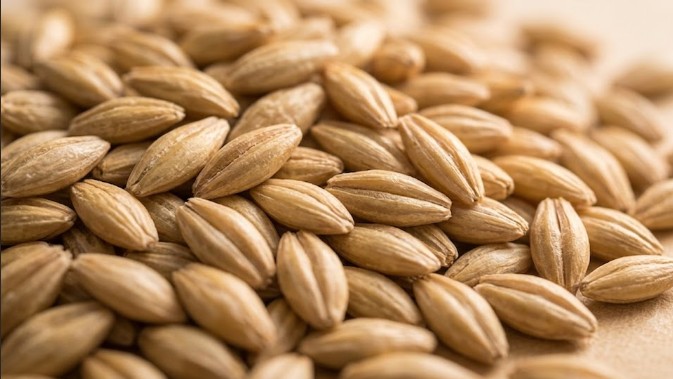
We purchase barley in bulk based on quality indicators. We work with agricultural producers, traders, and suppliers of agricultural raw materials in a clear format: preliminary batch approval, weighing, laboratory assessment, delivery coordination, and payment according to the contract.



.svg)
.svg)
.svg)
The purchase price is determined individually depending on quality indicators, batch volume, and the current market situation.
We purchase barley for our own processing on transparent terms, taking into account the market situation and quality indicators.
.svg)
.svg)


.svg)
.svg)
.svg)
.webp)
We purchase barley in bulk and work with batches based on quality indicators. For you, this means a clear cooperation format: preliminary batch approval, organized acceptance, weighing, laboratory assessment, and logistics coordination without unnecessary operational chaos. We do not treat procurement as a one-time trading action, but build the process so that suppliers can work with us conveniently on a regular basis.
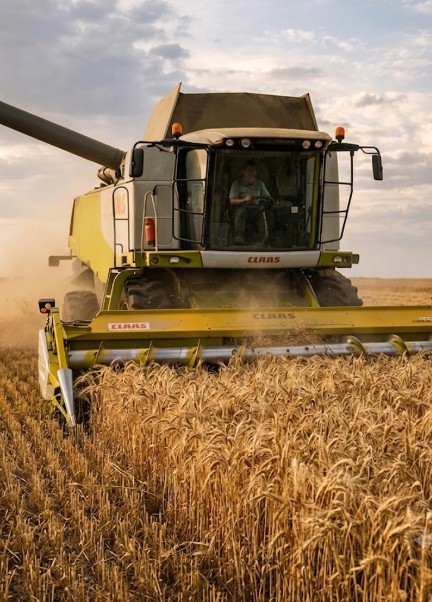
Barley is one of the crops we work with as part of our agricultural raw material procurement. We assess batches by key quality indicators so that it is clear from the start whether the raw material meets the procurement terms and how best to organize its acceptance. This approach helps avoid unnecessary clarifications on site and makes the sales process more predictable for the supplier.
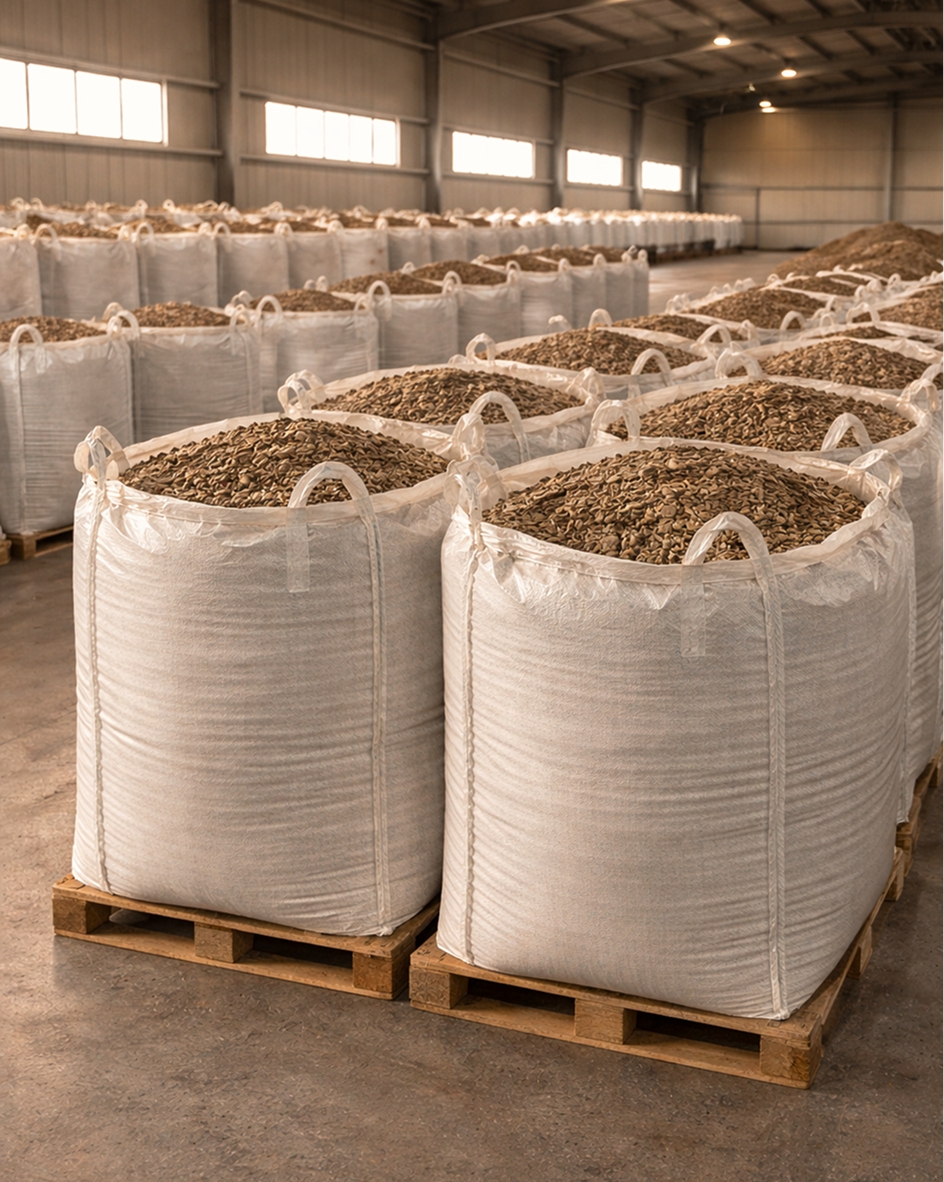
To work with agricultural raw materials, we have our own infrastructure: automated acceptance, weighing equipment, storage facilities, a production and technological laboratory, and logistics capabilities. This matters to you not as a list of formal advantages, but as the practical basis for proper procurement: the batch can be weighed, checked, accepted, and its further movement can be coordinated within a clear working process.
Selling barley directly to an organized buyer is beneficial when not only the price matters to you, but also a clear procedure for working with the batch. This is especially relevant for seasonal volumes, regular deliveries, and situations where you do not want to search for a new buyer every time, re-approve terms, and manually control each stage.
When the buyer has acceptance facilities, scales, a laboratory, storage, and logistics, the sales process runs more smoothly. You understand where the batch will be accepted, how weighing will be carried out, which indicators will be checked, and how delivery will be organized. This differs significantly from working with random market offers, where an attractive price may come with uncertainty in the details.
For the barley supplier, this organization of work gives more control over the deal. If batch quality is agreed in advance, logistics are coordinated, and acceptance does not turn into a manual process, the sale is faster and more predictable. In long-term cooperation, this often matters no less than the price difference for a single batch.
The acceptance of agricultural raw materials is organized so that the process is clear and controlled for the supplier. Our facilities operate an automated acceptance system, truck scales, KELI QS-A load cells, Altec positioning sensors, a KELI duplicate display, and a KELI XK3118T weighing indicator. This helps record the batch weight more accurately, reduces the risk of disputes, and makes acceptance more transparent.
We check barley quality in our own production and technological laboratory. To work with raw material indicators, we use an Infraskan-105 analyzer, an RM-450 grain moisture meter, laboratory mills, a drying cabinet, a laboratory sieve shaker, sample dividers, and sieves. For barley, it is especially important to correctly assess moisture, foreign matter, grain admixture, and other indicators that affect batch acceptance.
Logistics also affects the convenience of the sale. We have our own fleet of 18 vehicles: truck tractors, tank semi-trailers, and dump trailers. In addition, we have our own fuel infrastructure with a 10,000-liter storage tank and a fuel dispensing unit. This gives us greater control over transportation and helps us better coordinate delivery, acceptance, and the further movement of raw materials.
It is better to agree on barley quality before the actual shipment of the batch. For this crop, the basic indicators that affect acceptance are important: moisture, foreign matter, grain admixture, and the overall condition of the raw material. If these parameters are clear in advance, it is easier to determine whether the batch meets the procurement terms and to properly organize its delivery.
For you, this is not a formality, but a matter of saving time. Preliminary quality approval helps avoid situations where the vehicle has already arrived for acceptance, while the key batch indicators still require additional clarification or recalculation of terms. The better the batch information is prepared, the more smoothly weighing, laboratory assessment, and further coordination proceed.
When assessing barley, we focus on quality indicators, including moisture up to 14.0%, foreign matter of 2.0%, and grain admixture up to 15.0%. These parameters should be checked before shipment so that the sale can proceed without unnecessary delays, repeated approvals, or misunderstandings.
The barley purchase price matters, but it should not be the only criterion when choosing a buyer. For the supplier, it is important not only to receive an attractive rate per ton, but also to understand how batch acceptance, quality inspection, weighing, logistics, and further payment will be organized. If these processes are poorly structured, even a higher price may lose its advantage due to delays or unnecessary clarifications.
When working with barley, this is especially noticeable when the batch has indicators that need to be agreed before delivery. Moisture, impurities, and the overall condition of the raw material may affect procurement terms and acceptance organization. When the buyer has a laboratory base, weighing equipment, and a clear procedure for working with batches, it is easier for the supplier to plan the sale and avoid unnecessary operational workload.
That is why, when choosing a barley buyer, it is worth looking more broadly: who exactly purchases the raw material, whether the company has acceptance infrastructure, how quality control is organized, whether logistics can be coordinated, and how convenient it is to work with this buyer on a regular basis. In long-term cooperation, the winning offer is not simply the one that looks highest at the moment, but the one that provides a more predictable sale of the batch.
One of the most common mistakes is shipping barley without preliminary quality approval. If moisture, foreign matter, grain admixture, or other indicators are clarified only during acceptance, the supplier risks losing time on additional clarifications, repeated approvals, or adjustments to the terms.
The second mistake is focusing only on the highest price without assessing the buyer itself. A higher rate does not always mean a better result if it is accompanied by non-transparent weighing, a weak laboratory base, delays in acceptance, or unstable logistics. In this case, part of the benefit is quickly lost through waiting, manual support, and organizational risks.
The third mistake is selling barley to a buyer without real infrastructure for working with agricultural raw materials. If the company does not have its own acceptance system, weighing equipment, laboratory, storage facilities, or transport capabilities, uncertainty increases for the supplier. In wholesale batch operations, this is especially important because any failure can affect not only one delivery, but the entire sales schedule.
By working with us, you receive not just a barley buyer, but a clear cooperation model with an enterprise that has its own infrastructure for working with agricultural raw materials. We organize acceptance, weighing, laboratory assessment, batch coordination, logistics, and the further movement of raw materials so that the process is as predictable as possible for you.
Based on our production practice, we have processed 500,000+ tons of raw materials and work with 200+ partners. We combine agricultural raw material procurement with related services: storage, weighing, laboratory quality analysis, and transportation. For you, this means fewer operational gaps, clearer batch approval, and the opportunity to work with a buyer that systematically purchases agricultural crops.
That is why selling barley to us is not just a one-time price-based deal. It is an opportunity to work with an organized buyer that has automated acceptance, its own laboratory, weighing equipment, transport, and experience in working with agricultural raw materials in a B2B format.
Yes, we purchase barley in wholesale batches from farms, agricultural enterprises, traders, and suppliers of grain crops.
We accept barley based on agreed quality indicators, taking into account moisture, foreign matter, grain admixture, and the overall condition of the batch.
Yes, it is advisable to agree on the main barley indicators before shipment. This helps organize acceptance faster and avoid additional clarifications on site.
The batch goes through weighing, laboratory quality assessment, and recording of the actual raw material indicators.
Payment is made according to the contract terms after the batch has been accepted and its quality indicators have been confirmed.
.webp)
.webp)
.svg)
.svg)
.webp)
.webp)
.webp)
.webp)
.webp)
.svg)