
.svg)
Request or inquiry
Please provide the following basic information: volume, region, and quality metrics.


We purchase mixed agricultural waste in bulk for further use in production areas. We work with agricultural enterprises, elevators, processors, and raw material suppliers on clear terms, with preliminary approval of composition, moisture, impurities, volume, and delivery format.



.svg)
.png)
.svg)
.svg)
The purchase price is determined individually depending on quality indicators, batch volume, and the current market situation.
We purchase agricultural waste for our own processing on transparent terms, taking into account the market situation and quality indicators.
.svg)
.svg)


.svg)
.svg)
.svg)
.webp)
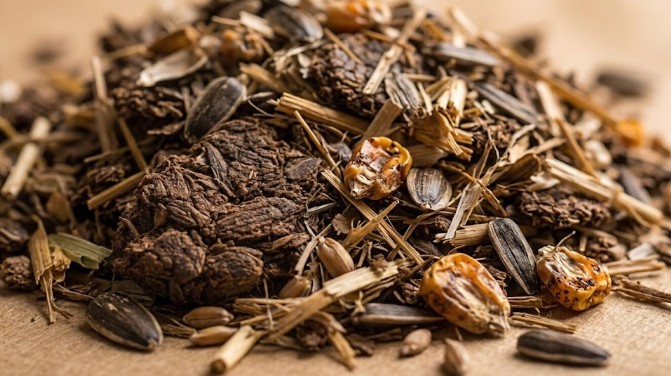
We purchase mixed agricultural waste in bulk as technical raw material for further work with biomass and the fuel production area. We accept batches that may include residues of grain and oilseed crops: straw, chaff, husks, waste after grain cleaning, and other agreed plant-based components.
For you, this means an opportunity to sell agricultural waste not as a random production residue, but as raw material that can be used in further technological processes. We work in the biofuel area, including briquettes, sunflower husk pellets, and pellets made from agricultural waste. That is why, for us, not only volume and price matter, but also the batch composition, moisture, impurities, bulk density, and convenience of further acceptance.
Before shipment, we approve the batch based on key parameters: composition, raw material condition, moisture content, impurity level, bulk density, and delivery format. This approach helps determine immediately whether the batch meets the procurement terms and avoids repeated clarifications after the vehicle has already arrived.
We accept mixed agricultural waste generated after the cultivation, harvesting, cleaning, or primary preparation of grain and oilseed crops. This may include straw, chaff, husks, waste after grain cleaning, and other plant mass if it meets the agreed procurement parameters.
For this type of raw material, not only availability matters, but also batch uniformity. If agricultural waste is too heterogeneous, has increased moisture, or contains a significant amount of foreign impurities, this may affect acceptance, logistics, storage, and further use. That is why it is better to agree on the batch composition in advance, before arranging delivery.
We also take into account the practical purpose of this raw material. Agricultural waste can be used as a component for the production of biofuel, including briquettes and pellets, as well as material for other farm-related tasks. Within our area of work, the main interest is the technical suitability of the batch for further work with biomass.
Mixed agricultural waste should preferably be agreed before shipment because this raw material can differ significantly in composition, fraction, moisture, bulk density, and impurity content. If these parameters are clear in advance, it is easier to determine whether the batch is suitable for procurement, how it should be delivered, and whether any delays may occur during acceptance.
We use the following basic parameters as a guideline: moisture content — not more than 15.0%, impurities — up to 5%, bulk density — 200–300 kg/m³. These indicators are not just formal requirements. Moisture affects storage and further work with biomass, impurities affect the batch’s suitability for use, and bulk density affects logistics, loading, transport volume, and transportation economics.
For you, preliminary approval means fewer risks at the batch delivery stage. If the composition, moisture, impurities, and bulk density are clear before shipment, it is easier to avoid vehicle downtime, repeated approvals, or adjustments to the terms after arrival. The better the batch information is prepared, the faster and more smoothly acceptance proceeds.
We organize agricultural waste acceptance so that the supplier understands the working procedure before actual delivery. First, we agree on the batch composition, approximate volume, raw material condition, moisture, impurities, bulk density, and transportation format. After that, we coordinate delivery, weighing, indicator checks, and the further movement of the raw material.
Our facilities operate an automated acceptance system, truck scales, KELI QS-A load cells, Altec positioning sensors, a KELI duplicate display, and a KELI XK3118T weighing indicator. This helps accurately record the batch weight, reduces the risk of disputes, and makes acceptance more transparent for the supplier.
If necessary, we check batch indicators in our own production and technological laboratory. To work with raw materials, we use an Infraskan-105 analyzer, an RM-450 grain moisture meter, laboratory mills, a drying cabinet, a laboratory sieve shaker, sample dividers, and sieves, depending on which parameters need to be assessed for a specific batch.
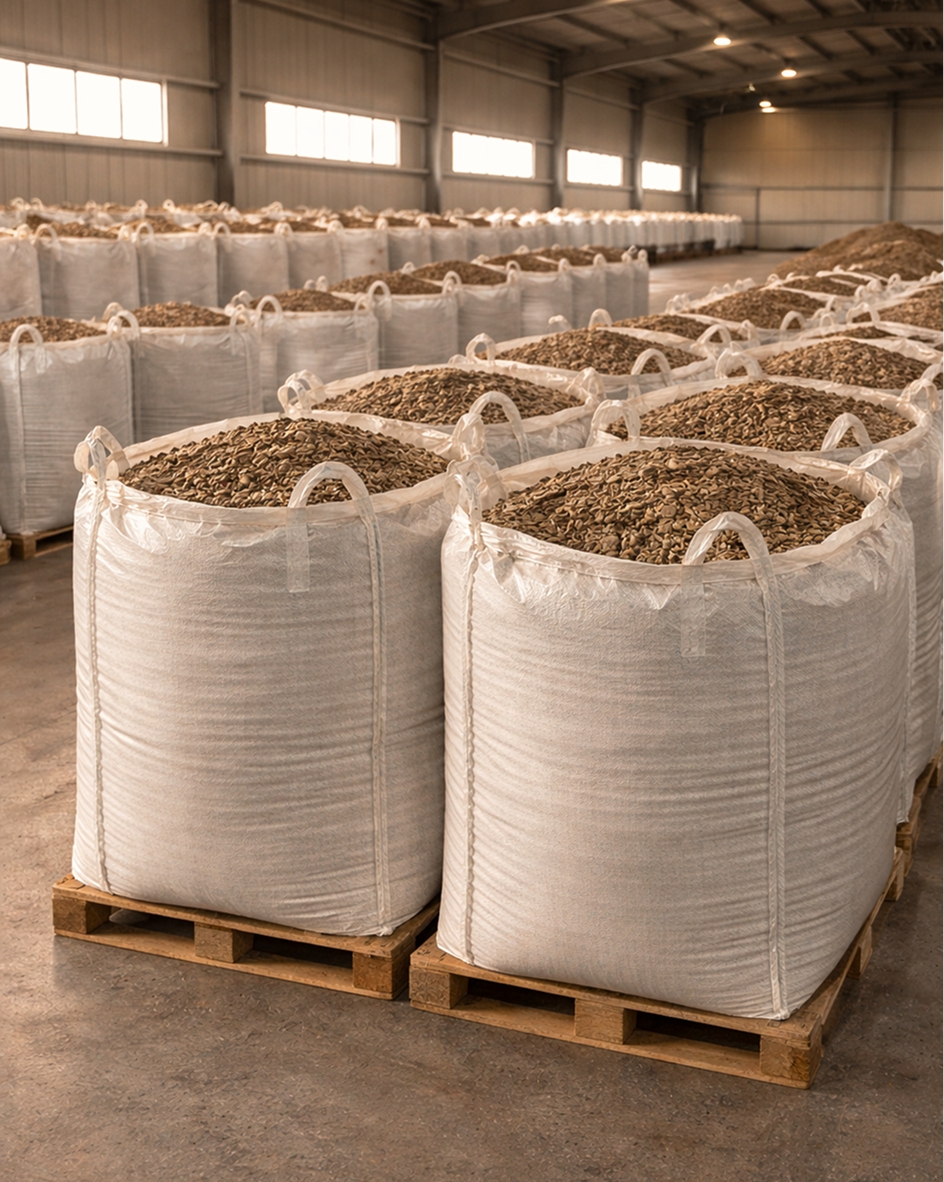
Logistics is especially important. Due to the low bulk density of agricultural waste, it is necessary to correctly calculate the loading volume and transportation format. We have our own fleet of 18 vehicles, as well as fuel infrastructure with a 10,000-liter storage tank and a fuel dispensing unit. This helps us better coordinate delivery, acceptance, storage, or further movement of the batch.
The purchase price of agricultural waste matters, but it should not be the only criterion when choosing a buyer. For this type of raw material, the actual benefit is strongly affected by moisture, impurities, bulk density, logistics, loading format, and the buyer’s ability to organize acceptance without delays.
If the buyer does not have weighing equipment, acceptance facilities, the ability to check indicators, or proper delivery coordination, even an attractive price may lose its advantage. Part of the benefit can quickly disappear due to vehicle downtime, repeated approvals, changes to terms after arrival, or difficulties with unloading.
That is why, when choosing a buyer for mixed agricultural waste, it is worth looking more broadly: whether the company can accept the batch in the required format, whether there is infrastructure for weighing, whether basic indicators can be checked, whether logistics will be organized, and how convenient it is to work with this buyer on a regular basis.
By working with us, you receive not just a buyer of mixed agricultural waste, but a clear cooperation model with an enterprise that works with agricultural raw materials, biomass, and the fuel production area. We organize preliminary batch approval, acceptance, weighing, parameter checks, delivery coordination, and further work with the raw material.
We work with biofuel production, including briquettes and pellets made from agricultural waste, and have automated acceptance, storage infrastructure, our own laboratory, and a fleet of 18 vehicles. We also combine procurement with related services: storage, weighing, laboratory quality analysis, and transportation.
That is why selling agricultural waste to us is not just a one-time price-based deal. It is an opportunity to work with a buyer that understands the specifics of mixed plant-based raw material: composition, moisture, impurities, bulk density, logistics, and acceptance requirements. You work with an enterprise that has the infrastructure for organized procurement and further work with biomass in a B2B format.
Yes, we consider mixed batches of agricultural waste if their composition can be described and agreed before shipment. For example, these may include residues of grain and oilseed crops: straw, chaff, husks, and waste after grain cleaning. It is important to understand the ratio of components, moisture, impurities, and the overall condition of the batch in advance.
Yes, agricultural waste can be used as a raw material for the production of fuel briquettes and pellets. For this purpose, moisture content, ash content, impurities, fraction, and bulk density are especially important. The more stable the batch indicators are, the easier it is to assess its suitability for further processing.
Before delivery, it is advisable to agree on the batch composition, approximate volume, moisture, impurities, bulk density, fraction, and delivery format. This helps avoid situations where the vehicle has already arrived, but the terms need to be recalculated because the actual condition of the raw material does not match the agreed parameters.
Yes, logistics can be agreed separately within the cooperation terms. We have our own fleet of 18 vehicles, which allows us to better coordinate transportation, acceptance, and the further movement of batches. The final delivery format depends on the volume, type of raw material, distance, and agreed schedule.
The price depends on the batch composition, moisture, impurities, bulk density, suitability of the raw material for further use, volume, and logistics. It is best to provide a short batch description or photos of the raw material in advance so that we can assess it faster and agree on realistic procurement terms.
.webp)
.webp)
.svg)
.svg)
.webp)
.webp)
.webp)
.webp)
.webp)
.svg)