
.svg)
Request or inquiry
Please provide the following basic information: volume, region, and quality metrics.


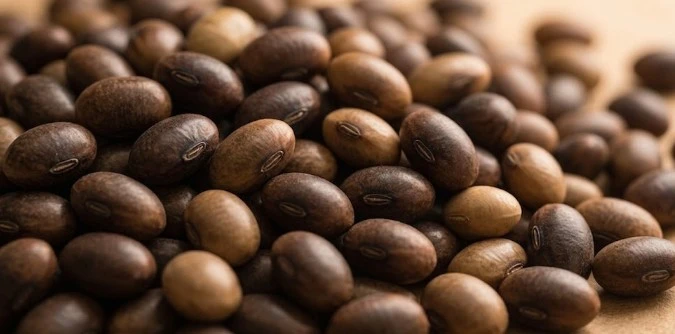
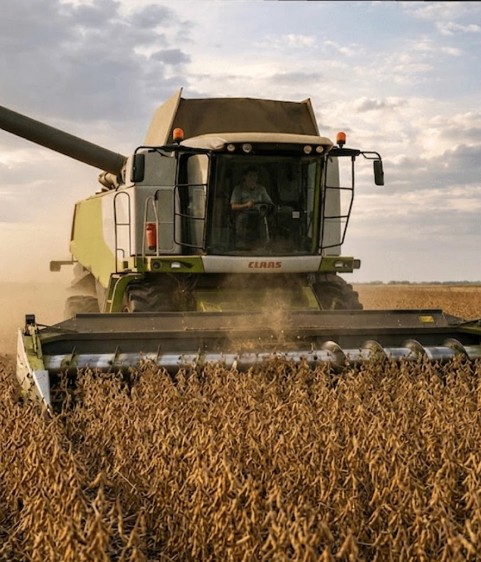
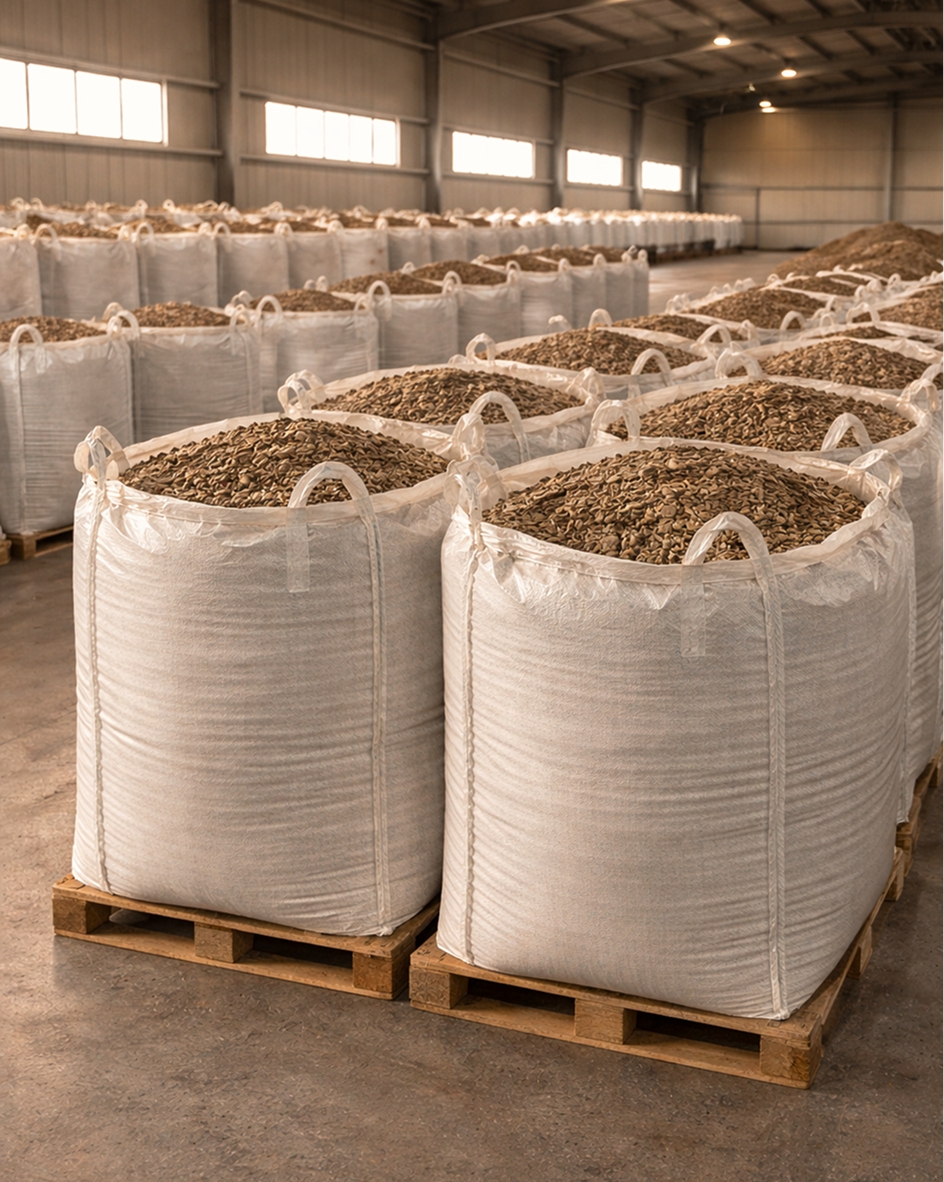
We purchase soybeans in bulk based on quality indicators, taking GMO status into account. We work with agricultural producers, traders, and suppliers of agricultural raw materials in a clear format: preliminary batch approval, weighing, laboratory control, and payment according to the contract.



.svg)
.svg)
.svg)
The purchase price is determined individually depending on quality indicators, batch volume, and the current market situation.
We purchase soybeans for our own processing on transparent terms, taking into account the market situation and quality indicators.
.svg)
.svg)


.svg)
.svg)
.svg)
.webp)
We purchase soybeans in bulk for work with agricultural raw materials within our production operations. We accept batches in accordance with DSTU 4964:2008, taking GMO status into account, and build cooperation in a way that gives the supplier a clear understanding of how acceptance, inspection, weighing, logistics, and the further movement of raw materials are organized. For you, this means selling soybeans not to a random buyer, but to an enterprise that works systematically with agricultural products and has its own infrastructure for handling batches.
We purchase agricultural raw materials as part of a full processing cycle. We work in the production of oils, meals, and oil cakes, and also provide related services that are important for proper B2B cooperation: storage, weighing, transportation, and laboratory quality analysis. For the supplier, this is a practical advantage: you work with a company that understands not only the commercial side of the deal, but also the production logic behind working with raw materials.
Our infrastructure includes production facilities in Mykolaiv region, automated acceptance, weighing equipment, storage facilities, our own production and technological laboratory, and a fleet of 18 vehicles. This base allows us to organize soybean procurement not as a one-time operation, but as a clear process for suppliers who value predictability, control, and proper coordination of batches.
Selling soybeans directly to a processing enterprise is beneficial when it is important for you not only to find a buyer, but to work with a company that can systematically accept agricultural raw materials, check their quality, and coordinate the further movement of the batch. This format is especially convenient for seasonal volumes, regular batches, and suppliers who do not want to search for a new sales channel every time.
When you sell soybeans to an enterprise with its own infrastructure, cooperation becomes more predictable. You understand who accepts the raw material, how weighing is organized, where quality assessment takes place, how logistics are agreed, and what technical capabilities support batch acceptance. This differs significantly from working with random buyers, where every deal may require new agreements and additional manual control.
It is also important that, for soybeans, not only the volume matters, but also the proper approval of batch indicators. GMO status, moisture, impurities, protein content, and other quality parameters should ideally be agreed before shipment in order not to lose time on site and to avoid unnecessary disputes. That is why selling soybeans to a processing enterprise with laboratory control and clear acceptance procedures is often more convenient for the supplier than looking for a buyer based only on the highest price at the moment.
We have organized the acceptance of agricultural raw materials so that the process is clear and controlled for the supplier. Our facilities operate an automated acceptance system, truck scales, KELI QS-A load cells, Altec positioning sensors, a KELI duplicate display, and a KELI XK3118T weighing indicator. For you, this means more accurate batch accounting, more transparent weighing, and fewer grounds for disputes when delivering raw materials.
We check the quality of batches in our own production and technological laboratory. We use an Infraskan-105 analyzer, an RM-450 grain moisture meter, laboratory mills, a drying cabinet, a laboratory sieve shaker, sample dividers, and sieves for working with raw material indicators. For soybeans, it is especially important to correctly assess moisture, impurities, protein content, and other parameters that affect acceptance and further work with the batch.
Logistics affects the convenience of the sale no less than the purchase price. We have our own fleet of 18 vehicles: truck tractors, tank semi-trailers, and dump trailers. We also have our own fuel infrastructure with a 10,000-liter storage tank and a fuel dispensing unit. This gives us greater control over transportation and helps us better coordinate delivery, acceptance, and the further movement of raw materials.
For the supplier, this means less dependence on random external factors. When weighing, laboratory assessment, storage, and logistics are organized within one production framework, it is easier to agree on batches, plan shipments, and complete the sales process without unnecessary operational chaos.
For soybeans, preliminary approval of quality and GMO status is especially important. We accept soybeans in accordance with DSTU 4964:2008, taking GMO status into account, so it is important to understand the main batch parameters before shipment: moisture, impurities, protein content, origin, and GMO status. This helps determine immediately whether the batch meets the procurement terms and prevents time loss at the acceptance stage.
For you, this is not a formality, but a matter of convenience and time savings. If soybean quality and GMO status are agreed in advance, there is less risk that the vehicle will be delayed during acceptance, that terms will have to be clarified after the batch arrives, or that disputes will arise over the assessment of the raw material. Preliminary agreement helps plan delivery more calmly, pass acceptance faster, and better control the sales process itself.
As a guideline, soybean assessment takes into account moisture, foreign matter, grain or oilseed admixture, protein content, and other indicators that affect batch acceptance. In our working benchmarks for soybeans, moisture is not more than 12.0%, foreign matter is 2.0%, grain or oilseed admixture is not more than 25.0%, and protein content is not less than 37.0%. These parameters should be checked before shipment so that delivery can proceed without unnecessary delays, recalculations, or misunderstandings.
The soybean purchase price matters, but it should not be the only criterion when choosing a buyer. For the supplier, it is important not only to receive an attractive rate per ton, but also to understand how batch acceptance, quality control, weighing, logistics, and further payment will be organized. If these processes are poorly structured, even a higher price may lose its advantage due to delays, disputes, or unnecessary operational workload.
This is especially noticeable when working with soybeans, because the result of the deal depends not only on volume and price, but also on the parameters of the batch. Moisture, impurities, protein content, GMO status, and other indicators should be agreed before shipment, rather than clarified at the acceptance stage. When the buyer has a laboratory base, weighing equipment, and a clear procedure for working with batches, it is easier for the supplier to plan the sale and avoid unnecessary clarifications.
That is why, when choosing a soybean buyer, it is worth looking more broadly: who exactly purchases the raw material, whether the company has real acceptance infrastructure, how quality control is organized, whether logistics can be coordinated, and how convenient it is to work with this buyer on a regular basis. In long-term cooperation, the winning offer is not simply the one that looks highest at a given moment, but the one that gives you a more predictable sale of the batch.
By selling soybeans to our facilities, you work with an enterprise that systematically purchases agricultural raw materials and has the infrastructure for their acceptance, assessment, storage, and further handling. We are not limited to the role of a buyer “on paper”: we have production facilities in Mykolaiv region, automated acceptance, weighing equipment, storage facilities, a laboratory, and our own logistics. For you, this means a more controlled sales process, where the batch does not get lost between different contractors and stages.
The total real estate area of our production facilities exceeds 2,900 m², while the total land area is more than 3.3 hectares. The infrastructure includes storage and technological buildings, silos, sheds, truck scales, equipment for accepting and moving raw materials. This base is important for the supplier because procurement is based not on a one-time market need, but on real capacities that work with agricultural products in a systematic mode.
A separate role is played by the fact that we combine procurement with related services: weighing, laboratory quality analysis, storage, and transportation. For you, this is a practical advantage because the sale of the batch does not fall apart into several disconnected processes. When acceptance, quality assessment, logistics, and further movement of raw materials are coordinated within one system, cooperation is calmer and more predictable.
One of the most common mistakes is failing to agree on quality and GMO status before shipment. For soybeans, this is critical because these parameters can affect acceptance, price, further work with the batch, and the timing of the process. If important indicators are clarified only on site, the supplier risks losing time on additional clarifications, repeated approvals, or adjustments to the terms.
The second mistake is focusing only on the highest price without assessing the buyer itself. A higher rate does not always mean a better result if it is accompanied by non-transparent weighing, a weak laboratory base, delays in acceptance, or unstable logistics. In such a situation, part of the benefit is quickly lost through waiting, manual supervision, and organizational risks.
The third mistake is selling soybeans to a buyer without real infrastructure for working with agricultural raw materials. If a company does not have its own acceptance system, weighing equipment, laboratory, storage facilities, or transport capabilities, uncertainty increases for the supplier. In wholesale batch operations, this is especially noticeable because any failure affects not only one vehicle, but the entire delivery schedule.
We work with agricultural raw materials systematically and rely on our own production and organizational base. Our work combines crop procurement, agricultural processing, laboratory control, storage, weighing, logistics, and partner support at every stage of cooperation. For the supplier, this means that the sale of soybeans goes not through a random trading scheme, but through a clear working process with a real buyer.
We have processed 500,000+ tons of raw materials, work with 200+ partners, and operate a full cycle of agricultural processing. We maintain quality control at all stages and purchase soybeans in accordance with DSTU 4964:2008, taking GMO status into account. For you, this confirms that we understand the specifics of this crop, know how to work with quality indicators, and build cooperation not around a one-time request, but around systematic work with batches.
Trust is also formed by specific production capabilities: automated acceptance, truck scales with KELI QS-A load cells, our own laboratory with an Infraskan-105 analyzer, an RM-450 moisture meter, and other equipment, as well as a fleet of 18 vehicles. For the supplier, this means greater transparency, accuracy, and control when working with the batch — from the first agreement to actual acceptance.
By working with us, you receive not just a soybean buyer, but a clear cooperation model with an enterprise that has its own infrastructure for working with agricultural raw materials. We organize acceptance, weighing, laboratory assessment, batch coordination, logistics, and the further movement of raw materials so that the process is as predictable as possible for you.
For you, this means fewer operational gaps, clearer batch approval, a technical base for quality assessment, and the opportunity to work with a buyer that systematically purchases agricultural crops. When the sale of soybeans goes through organized acceptance, laboratory control, and managed logistics, cooperation becomes calmer and more convenient for the supplier.
That is why selling soybeans to us is not just a one-time price-based deal. It is an opportunity to work with a buyer that accepts soybeans in accordance with DSTU 4964:2008, takes GMO status into account, has real production capacities, its own laboratory, weighing equipment, transport, and experience in working with agricultural raw materials in a B2B format.
Yes, we purchase soybeans in wholesale batches from agricultural producers, traders, and suppliers of agricultural raw materials.
We accept soybeans based on quality indicators in accordance with DSTU 4964:2008, taking into account GMO status and the agreed procurement terms.
Yes, it is advisable to agree on GMO status before shipment. This helps properly assess the batch and organize acceptance faster.
Moisture, foreign matter, grain or oilseed admixture, protein content, GMO status, and the overall condition of the batch are taken into account.
Payment is made according to the contract after the batch has been accepted and the actual quality indicators have been confirmed.
.webp)
.webp)
.svg)
.svg)
.webp)
.webp)
.webp)
.webp)
.webp)
.svg)