Barley prices: what determines a lot’s value and how to prepare grain for sale
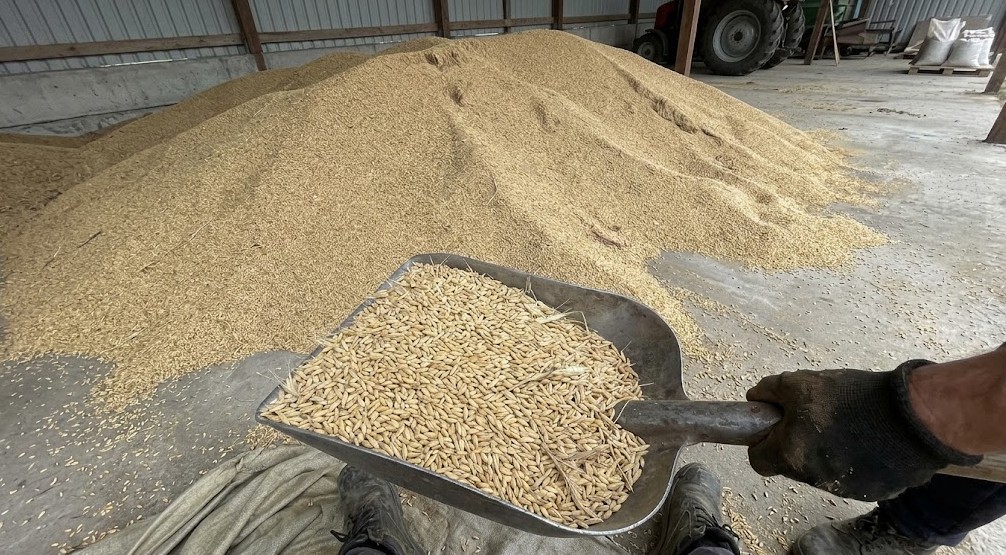
The price of barley per tonne interests farmers, agricultural businesses, grain elevators and traders planning wholesale grain sales. However, a specific lot’s actual value depends on more than general market levels. Grain quality, moisture, impurities, test weight, quantity, loading location, logistics, intake terms and documents all affect it.
Before selling barley, prepare the lot’s basic parameters as well as tonnage and your target price. The more clearly the grain is described, the sooner a buyer or processor can provide an initial assessment, agree on intake and move on to logistics.
What affects the barley price per tonne
A search for “barley price” usually provides only a guide. The actual purchase assessment depends on the specific lot being offered. Buyers consider not just tonnes but also suitability for storage, transport, feed use or further processing.
The main factors are grain quality, lot quantity, loading location, distance to the buyer, analysis availability, drying or cleaning requirements and delivery dates. Dry, clean grain with confirmed parameters is easier to assess. If information is missing, the buyer allows for additional risks.
At SeedWay Oil, barley is part of its agricultural raw material procurement business, so preliminary agreement should start with a brief description: tonnage, location, quality parameters, dispatch dates and delivery terms.
Which barley parameters to check before selling
Before selling barley, know the basic laboratory parameters. Buyers usually consider moisture, foreign matter, grain impurities, test weight, protein, lot condition and uniformity. Individual buyers may require additional parameters for a specific end use.
Moisture indicates whether grain is ready for storage and transport. Elevated moisture may require conditioning or separate agreement on intake terms. Impurities affect actual lot cleanliness: the more there are, the less usable grain the buyer receives.
To confirm quality before dispatch, arrange laboratory grain testing. This is particularly useful when agreeing on a large lot quickly or avoiding revised terms after transport arrives.
Why moisture and impurities can change final terms
Elevated moisture does not always make a lot impossible to sell, but it almost always affects intake arrangements. The buyer needs to know whether the grain can be accepted as it is, whether drying is required and how this affects timing, weight and final terms.
Discuss conditioning requirements before dispatching a truck. Grain drying or additional cleaning may be needed before storage or further use. Agree on who arranges conditioning and how it is reflected in commercial terms.
Impurities also have practical consequences. Foreign matter reduces the usable quantity, while grain impurities may affect uniformity and subsequent use. The buyer therefore assesses actual grain quality as well as total weight.
What information to send the buyer for an initial assessment
For an initial barley assessment, provide lot quantity, loading location, estimated delivery dates, transport arrangements, available quality parameters and documents immediately. A quality certificate or analysis results should ideally be provided before transport is agreed.
Also state where the grain is stored and whether loading restrictions apply. The buyer needs to know whether a vehicle can arrive on a particular day, which vehicle type is suitable, whether weighing infrastructure is available and how long loading takes.
If the supplier needs to deliver grain to the buyer or agree on a route, grain transport can be arranged in advance. This avoids delaying the transaction over logistics and helps plan intake.
How barley intake works at the facility
Intake usually starts before transport arrives, with preliminary agreement on the lot. The truck then arrives at the site, followed by weighing, sampling, laboratory testing, confirmation of parameters, documentation and final settlement.
The seller’s declared data is checked against actual results. If parameters match the preliminary information, intake is faster. If moisture, impurities or other parameters differ, terms may be adjusted based on test results.
The best approach for sellers is to disclose problematic parameters and avoid giving approximate figures without checking them. Openness at the outset helps agree on the lot sooner, reduces delays and makes the sale more predictable.
How to prepare barley for sale and agree on a price sooner
Before approaching a buyer, prepare a short information package: tonnage, loading location, moisture, impurities, test weight, available documents, preferred dispatch dates and delivery terms.
If the lot has elevated moisture or needs cleaning, state this immediately. It does not necessarily prevent a transaction, but it lets the buyer assess the lot correctly and avoid revising terms after transport arrives.
The more accurately sellers describe grain, the fewer follow-up questions arise in negotiations. In B2B transactions, the buyer understands lot quality sooner and the seller receives a specific response on price, intake and logistics.
FAQ: quick answers about barley prices
Why do barley prices vary between lots?
Buyers assess actual grain quality as well as market prices. Terms are affected by moisture, impurities, test weight, lot quantity, loading location, logistics, documents and conditioning requirements.
Which barley parameters should be checked before selling?
Check moisture, foreign matter and grain impurities, test weight, protein, lot condition and uniformity. Send any laboratory analysis or quality certificate to the buyer before truck dispatch.
Can barley with elevated moisture be sold?
Yes, but the lot requires separate agreement. Elevated moisture can affect intake, storage, drying requirements and final purchase terms.
What information is needed for an initial quotation?
Provide tonnage, loading location, delivery dates, transport arrangements, available quality parameters, lot documents and grain condition. More accurate data enables a faster initial assessment.

Fill out the form and we'll get in touch with you!
Contact Information