Technical-grade sunflower oil: assessing a lot before purchase or dispatch
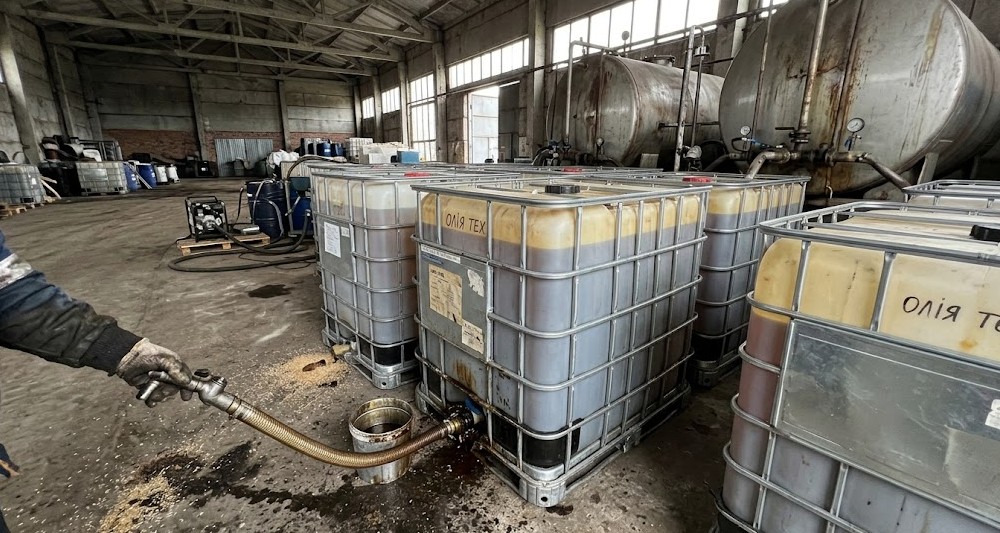
Technical-grade sunflower oil is a sunflower processing product used for manufacturing, industrial or technical applications rather than food consumption. Buyers need a clearly specified lot: origin, quality parameters, documents, quantity, dispatch format and logistics.
Technical-grade oil is generally purchased in a B2B setting. Buyers want to understand which raw material they will receive, whether it meets their production requirements, how quickly a lot can be dispatched and whether parameters will remain consistent between deliveries.
Where technical-grade sunflower oil is used
It may be used in manufacturing, processing, technical blends, industrial processes or as a raw material for further applications. The specific use depends on the buyer’s requirements: some prioritise acid value and moisture, while others focus on lot consistency, colour, odour, impurities or convenient logistics.
A universal “suitable for everything” description is therefore inappropriate. Technical-grade oil is assessed for a specific task. Before purchasing, buyers should establish whether the lot suits their process, whether additional documents are needed, what quantity is available and how it can be supplied.
SeedWay Oil’s catalogue includes technical-grade sunflower oil as a sunflower processing product. A B2B buyer’s final decision should still rely on the specific lot’s characteristics rather than the product name alone.
Which technical-grade oil parameters to clarify before purchasing
The first group of questions concerns quality. Clarify acid value, moisture, mechanical impurities, colour, odour, clarity and other parameters relevant to the buyer’s production. Critical requirements should be discussed before dispatch rather than after arrival.
The second group concerns documents. Large lots should ideally have a clear specification or confirmed parameters. Buyers working to internal technical requirements should provide them to the supplier before agreement. This helps avoid a product that is good quality in general but unsuitable for a particular process.
To confirm parameters before dispatch, arrange laboratory product testing. This is particularly useful when the lot is intended for regular production rather than a one-off trial.
Why intended use should be agreed before the transaction
Technical-grade oil has different applications, and intended use often determines which parameters are critical. Buyers may need not only the required volume but also acceptable acid value, moisture, impurity levels and consistency between lots.
Without discussing intended use at the outset, the parties may interpret “normal quality” differently. A lot may meet the supplier’s standard description yet fail to suit the buyer’s specific internal requirements. These points are best addressed immediately in B2B sales.
The practical approach is simple: the buyer describes the application, relevant parameters, required quantity and intake arrangements. The supplier can then assess lot suitability more quickly and offer realistic terms.
How quantity, containers and logistics affect supply
For technical-grade sunflower oil, supply format matters alongside quality. Agree on quantity, dispatch method, containers or bulk liquid delivery, loading location, timing, vehicle requirements and documents in advance. Poor logistics can delay the transaction even when the product meets quality parameters.
Also consider how the buyer will receive the oil: whether bulk liquid can be accepted, whether specific containers are needed, time restrictions, unloading responsibility and any advance vehicle approval. These details become particularly significant when the truck is already waiting to load or unload.
If the lot must be delivered to the buyer, agree on agricultural product transport in advance. This coordinates product readiness, documents, transport and the intake slot.
How technical-grade oil differs from food-grade oil
The main difference lies in intended use and applicable requirements. Food-grade sunflower oil is intended for consumption or food production and assessed accordingly. Technical-grade oil is purchased for production tasks where different parameters may matter.
This does not mean technical-grade oil is “worse”; it is assessed for a different application. If food-grade sunflower oil is needed, consider the corresponding product. For an industrial or technical task, discuss technical-grade oil.
In every case, the decision should rely on documents, characteristics and the lot’s intended use. The product name helps identify the category but cannot replace quality verification.
How to prepare an enquiry for technical-grade sunflower oil
For a quick supplier response, state the required quantity, preferred delivery dates, delivery or collection location, intended use, parameter requirements, dispatch format and required documents.
Provide a technical brief or internal specification immediately if available. This reduces follow-up questions and helps assess available lot suitability faster. If requirements have not yet been defined, at least describe the application and critical restrictions.
For regular technical-grade oil purchases, discuss continuity of supply as well as an individual lot. Consistency often matters as much to production as the price per tonne or litre.
FAQ: quick answers about technical-grade sunflower oil
What is technical-grade sunflower oil used for?
It is used in manufacturing, industrial or technical applications where the product serves as a raw material or process component. The specific use depends on buyer requirements and lot characteristics.
Which parameters should be checked before purchasing?
Clarify acid value, moisture, mechanical impurities, colour, odour, clarity, lot documents and other parameters relevant to the specific production process.
Can technical-grade oil be purchased without an analysis?
A lot can be discussed initially, but confirmed parameters are advisable for B2B purchasing. This is particularly important for regular production or specific technical requirements.
What information does the supplier need for a quotation?
Provide the quantity, dates, delivery or collection location, intended use, quality requirements, dispatch format and list of required documents.

Fill out the form and we'll get in touch with you!
Contact Information