Grain transport: preparing the lot, route and documents for dispatch
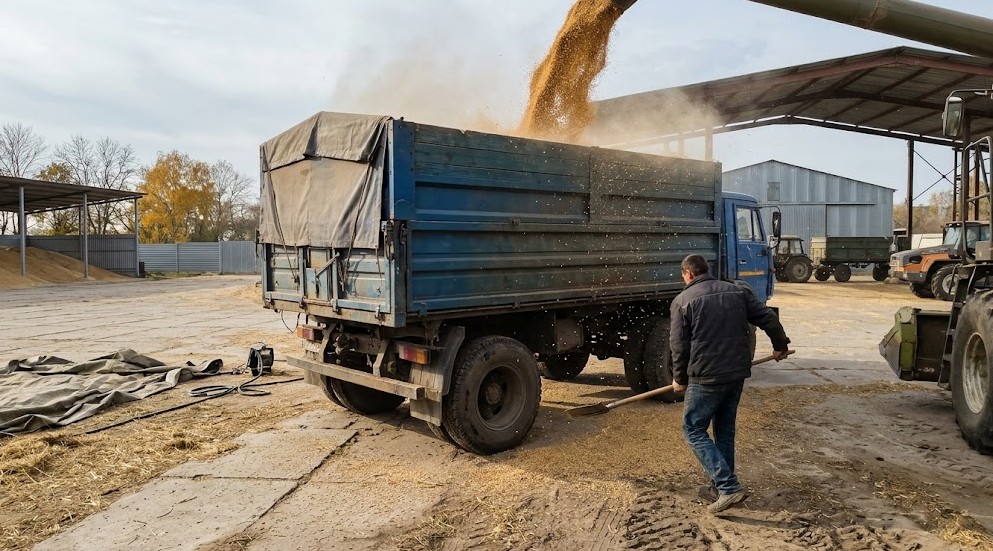
Grain transport looks simple on paper: a lot, a truck and an unloading point. In practice, agricultural logistics quickly becomes complicated without agreement on weight, grain condition, vehicle type, loading dates, route and documents. One overlooked detail can disrupt intake scheduling or change commercial terms.
For a farm, grain elevator or trader, transport is part of the entire operation. The lot must be ready for loading, the vehicle must suit the cargo format and the buyer or processor must know when the raw material will arrive.
When to plan grain transport
The best time to plan logistics is before final agreement on the transaction. Agreeing on a price first and only then searching for transport can waste time, expose vehicle shortages or result in unexpected costs.
This is particularly important for wholesale lots. With tens of tonnes involved, transport affects delivery, loading schedules, warehouse operations, weighing, the laboratory, intake and unloading. SeedWay Oil can agree on agricultural product transport in advance so logistics supports completion of the agreed transaction.
Urgent grain delivery is a separate case: for an intake slot, dispatch to a buyer or after conditioning. The task is to coordinate the route with actual lot readiness rather than merely find a truck.
What information is needed to plan the route
For predictable logistics, provide the carrier or buyer with the crop, tonnage, loading and unloading points, preferred dates, packaging type or bulk format, access conditions, warehouse operating hours and the responsible person’s on-site contact details.
For a lot at a grain elevator, clarify entry rules, weighbridge hours, prompt loading availability and documents. For loading at a farm, establish access restrictions, road condition, manoeuvring space and loading time.
Logistics often breaks down over small coordination issues rather than the route itself: the truck arrives before the warehouse is ready, the vehicle is unsuitable, documents are missing or weight must be clarified on site. Resolve these points before departure.
How grain quality affects transport
Lot condition directly affects transport arrangements and what must be agreed with the buyer. Elevated moisture, substantial impurities or uneven quality can create risks during transport, storage after delivery or intake at the facility.
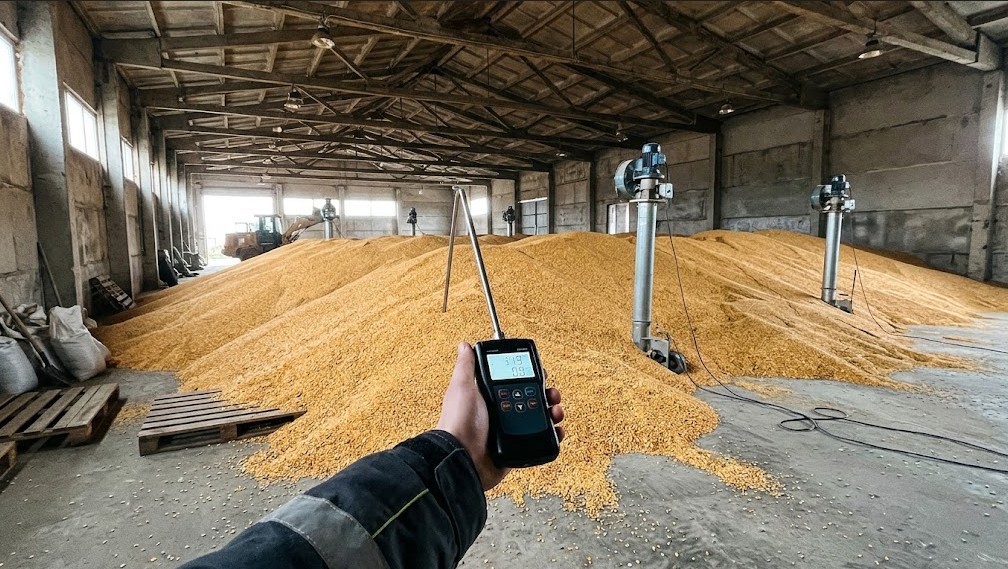
Know the lot’s actual parameters before dispatch. If moisture, impurities or other parameters are uncertain, arrange laboratory grain testing first, then agree the route and final terms. This helps avoid a delivered lot being held up at intake because its parameters do not meet requirements.
Conditioning requirements also change logistics planning. A lot may first be sent for grain drying, then to the buyer or storage. The route should account for the entire raw material chain.
What to check before arranging a vehicle
Before a truck is sent, confirm that the lot is physically ready and its documentation is complete. Physical readiness means the grain is accessible for loading, quantity and quality are known and the loading site can receive transport at the agreed time.
Documentary readiness includes waybills, lot data, accompanying documents, responsible persons’ contacts and agreed intake terms. If any element is unresolved, the truck may wait and the transaction may slow down.
A short checklist is useful: what is being carried, how many tonnes, from where to where, when loading takes place, who handles documents, who receives on site and whether route restrictions apply. These basic questions often determine whether a journey avoids unnecessary delays.
Why weight should be agreed before departure
In grain logistics, weight affects transport pricing, documents, intake and final commercial terms. A mismatch between declared and actual tonnage raises questions about loading, routing and settlement.
Weighing before dispatch establishes the actual quantity. However, final figures are often recorded at intake or check weighing. Sellers should agree in advance which weight records form the basis for settlement and how discrepancies will be handled.
For a lot transported for sale, weight, quality and documents should correspond. A single figure without analysis and context does not give the buyer a complete picture.
How to avoid loading and intake delays
The most common cause is poor coordination. The truck arrives but the lot is not ready. The grain is ready but the buyer has not confirmed intake time. The route is agreed but documents have not been completed.
Manage logistics as a sequence: confirm the lot, check parameters, agree transport, prepare documents, arrange loading time, share contacts and confirm the intake slot. This reduces last-minute clarification on the day of the journey.
If transport relates to an upcoming agricultural raw material purchase, agree the route and intake terms together: expected parameters, weighing location, who confirms quality and when settlement takes place.
FAQ: quick answers about grain transport
What information is needed for a grain transport quotation?
Provide the crop, tonnage, loading and unloading points, preferred journey date, lot format, grain condition, access conditions and responsible persons’ contact details.
Should grain quality be checked before transport?
It is advisable, particularly for a sale or intake by a processor. Moisture, impurities and other parameters can affect acceptance, storage and final transaction terms.
What should be done if grain has elevated moisture?
Agree on the lot separately. Sometimes it makes more sense to dry or condition it first and then send it to the buyer or warehouse.
How can vehicle waiting time be reduced?
Agree on loading time, documents, weight, route, on-site contacts and the intake slot in advance. Fewer unknowns on the day of the journey mean a lower risk of delays.

Fill out the form and we'll get in touch with you!
Contact Information