Feed wheat: how to assess lot quality before selling or buying
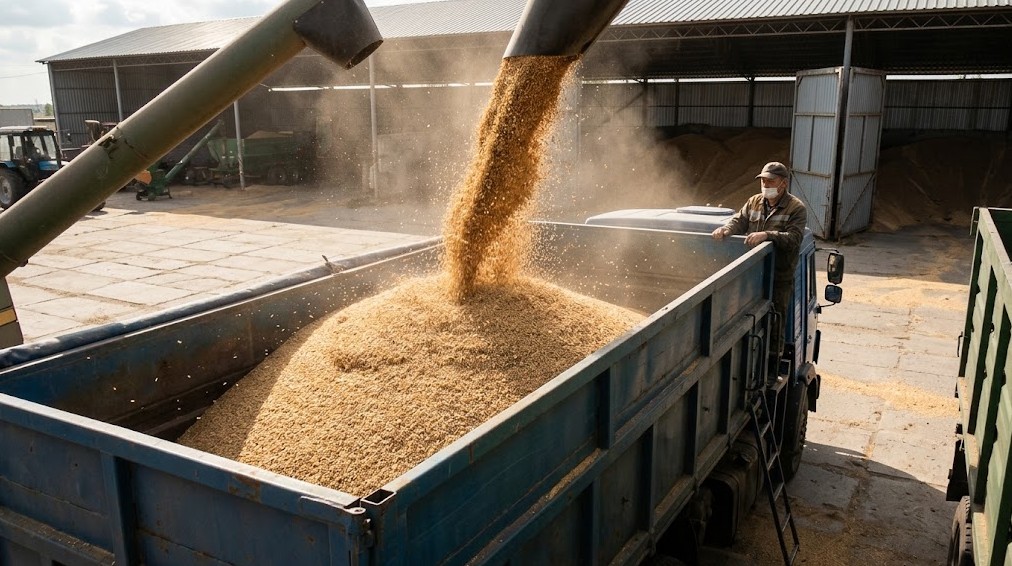
Feed wheat is used as a raw material for livestock feed, compound feed production and further processing. Sellers should understand that its assessment goes beyond the price per tonne. Purchase terms are affected by moisture, foreign matter and grain impurities, test weight, protein, gluten, lot condition, logistics and documents.
Wholesale buyers want specific parameters rather than the general description “feed wheat”. The better the lot information is prepared, the sooner an initial assessment, intake and subsequent settlement can be agreed.
What is feed wheat and why is it purchased?
Feed wheat is grain used primarily for animal feed rather than food production. Buyers include compound feed manufacturers, livestock farms, traders and companies working with grain raw materials in the B2B market.
Buyers need to know the actual grain condition as well as the crop name. Elevated moisture, significant impurities or inconsistent parameters can affect intake, storage, transport and the final lot price.
SeedWay Oil works in agricultural raw material procurement, so preliminary lot assessment should rely on clear information: quantity, loading location, quality parameters, delivery dates and logistics terms.
Which feed wheat parameters should be checked before a transaction
Before selling or buying feed wheat, prepare the basic quality parameters. Buyers usually consider moisture, foreign matter, grain impurities, test weight, protein, gluten, the IDK gluten deformation index and overall lot condition.
Moisture affects storage and lot safety. Grain that is too wet may need conditioning before storage or dispatch. In such cases, intake terms should be agreed in advance rather than after transport arrives.
Impurities indicate how clean the lot is and how suitable it is for further use. Foreign matter reduces the usable quantity, while grain impurities may affect quality and uniformity. Buyers therefore need actual data rather than tonnage alone.
If parameters need confirmation before sale or intake, the lot can undergo laboratory grain testing. This helps avoid quality disputes and gives the buyer a clear basis for assessment.
Why feed wheat prices depend on more than the market
A search for “feed wheat price” usually means a seller wants a quick idea of a lot’s potential value. However, market prices are only a guide. Specific terms depend on actual grain quality, quantity, loading location, logistics, conditioning requirements and intake terms.
Two lots of equal weight can have different value to a buyer. A dry, clean lot with confirmed parameters and one needing drying or cleaning will have different commercial terms. The buyer assesses the risks of handling the lot as well as the tonnes.
It is therefore better to discuss an initial assessment of a specific lot than a “single feed wheat price”. Provide the buyer with quantity, location, quality parameters, documents and preferred delivery dates.
What to do if wheat has elevated moisture
Elevated moisture does not always make a lot impossible to sell, but it almost always requires separate agreement. The buyer needs to know whether the lot can be accepted, whether drying is required and how this will affect timing and final terms.
If conditioning is needed, discuss grain drying in advance. This is particularly important when the grain will be stored or transported over a longer distance: excess moisture can create quality risks during transport.
Sellers should not conceal moisture or give approximate parameters without checking them. If actual intake results differ, terms may change after the truck has arrived, causing delays for both parties.
Which documents and data to prepare before dispatch
For a quick initial assessment, provide the buyer with lot quantity, loading location, estimated delivery dates, transport arrangements, available laboratory results, storage information and grain documents.
Send a quality certificate or analysis results immediately if available. If there are no documents, state which parameters are known and which need testing during intake. This openness speeds up agreement and reduces misunderstandings.
Logistics should be planned separately. If the supplier needs to deliver the lot to the buyer or agree on a route, grain transport can be arranged in advance, with timing coordinated alongside intake.
How feed wheat intake works
A typical process includes preliminary agreement on the lot, vehicle arrival, weighing, sampling, laboratory testing, confirmation of parameters, documentation and settlement. Declared data is checked against actual grain quality at this stage.
Weighing records actual quantity, while analysis establishes quality. Feed wheat may be tested for moisture, foreign matter, grain impurities, test weight, protein, gluten, IDK and other parameters depending on the transaction terms.
If actual parameters match those declared, intake is faster. If deviations are substantial, the parties may adjust terms based on test results.
FAQ: quick answers about feed wheat
How does feed wheat differ from milling wheat?
Feed wheat is used primarily as a feed ingredient, while milling wheat is intended for food production. For a feed lot, moisture, impurities, test weight, protein, gluten, grain condition and suitability for further use are important.
Which parameters should be checked before selling feed wheat?
Check moisture, foreign matter and grain impurities, test weight, protein, gluten, IDK and overall lot condition. Send any laboratory analysis or quality certificate to the buyer before dispatching transport.
Can feed wheat with elevated moisture be sold?
Yes, but the lot requires separate agreement. Elevated moisture can affect intake, storage, drying requirements and final purchase terms.
What should the buyer be told for an initial assessment?
Provide tonnage, loading location, delivery dates, transport arrangements, available quality parameters, lot documents and grain condition information. The more complete the information, the sooner an initial assessment can be provided.

Fill out the form and we'll get in touch with you!
Contact Information