Grain drying: preparing a lot, calculating tonne-percentage points and avoiding losses
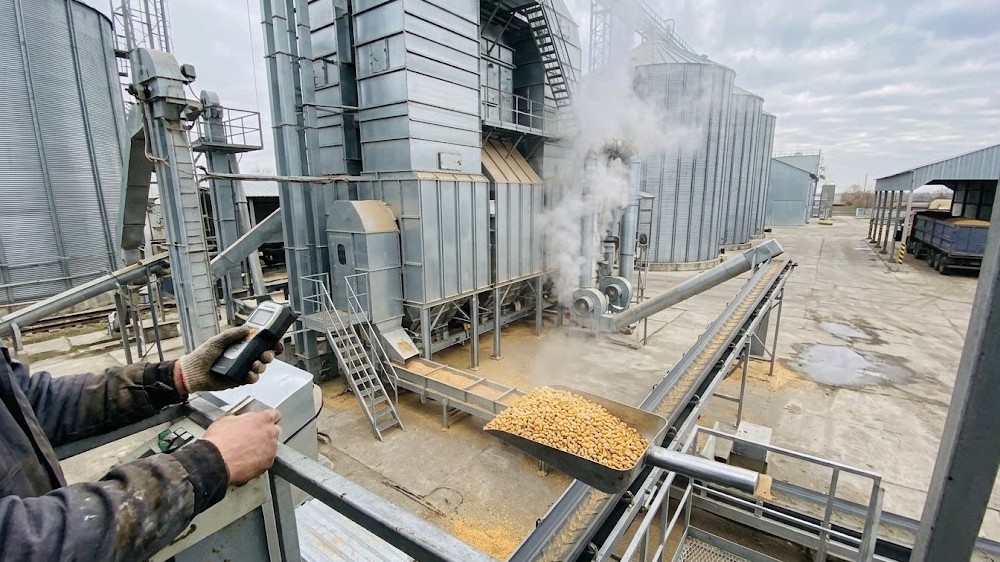
Grain drying is needed when a lot’s actual moisture exceeds the safe or agreed level for storage, transport or sale. For agribusiness, it is more than a technical operation: it is part of the lot’s economics. Excess moisture can affect weight, timing, intake, spoilage risks and final transaction terms.
Before sending grain for drying, establish three things: its actual moisture, the target level and how the service will be priced. The more accurately these parameters are agreed before work starts, the fewer misunderstandings arise after conditioning.
When grain needs drying
Drying is most often needed after harvest, when grain still has elevated moisture or does not meet requirements for subsequent storage. Leaving such a lot untreated increases the risks of self-heating, quality deterioration, loss of marketable condition and difficulty selling.
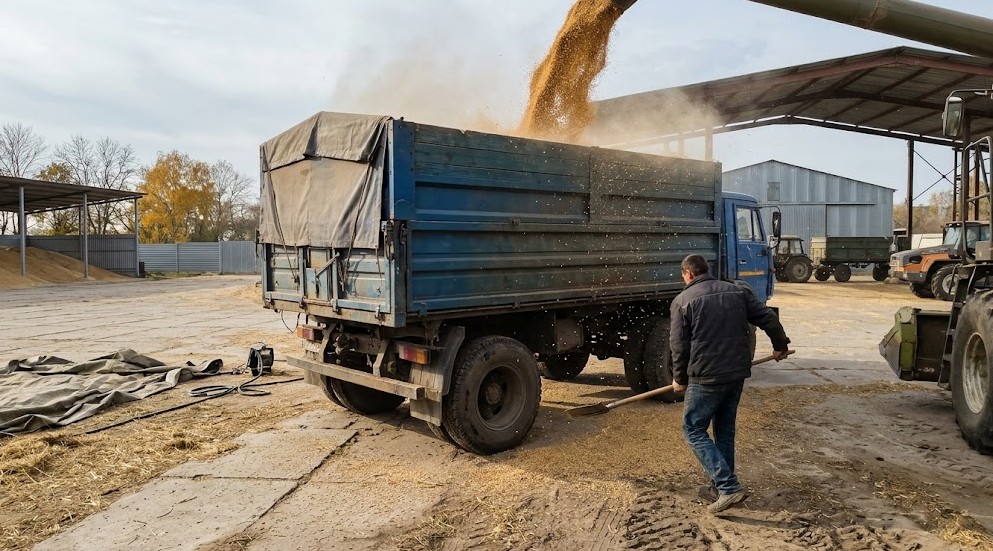
Drying may also be needed before dispatch to a buyer. If the contract or preliminary agreement specifies moisture requirements, prepare the lot in advance. Otherwise, actual parameters may change intake terms after transport arrives.
SeedWay Oil can arrange grain drying for cereals and oilseeds. Before handling a lot, provide its quantity, crop, current moisture, target final level and plans for subsequent storage or dispatch.
Which parameters to check before grain drying
Check more than moisture before drying. Foreign matter, grain impurities, grain condition, uniformity and damaged or problematic fractions also matter. Different parts of a non-uniform lot may respond differently during conditioning.
Actual moisture is the primary parameter: it indicates how much moisture must be removed and how intensive conditioning will be. However, a lot with substantial impurities or uneven composition may require additional inspection or cleaning before drying.
To confirm initial parameters, arrange laboratory grain testing before dispatch. This records starting quality, helps avoid disputes and supports a more accurate conditioning cost calculation.
How drying costs are calculated: tonne-percentage points
Drying is often priced using tonne-percentage points. This measure combines lot weight with the number of percentage points by which moisture must be reduced. For example, reducing moisture by 3 percentage points in 100 tonnes of grain represents 300 tonne-percentage points of work.
This approach is useful because equal-weight lots may need different amounts of conditioning. Drying 100 tonnes by 2 percentage points and 100 tonnes by 5 percentage points involves different work, timing and costs.
Before ordering the service, therefore, ask about initial moisture, the target level and calculation rules as well as the “grain drying cost per tonne”. Without this information, any price will be approximate.
What affects drying time for a lot
Timing depends on the crop, quantity, initial moisture, target final level, grain condition and facility workload. A large lot or substantially elevated moisture may take longer to condition.
Readiness for intake also matters. If documents, transport, weighing and sampling are agreed in advance, the process is faster. Missing information means time is spent on further clarification before work begins.
The lot’s onward route must also be considered. If grain will be dispatched to a buyer or moved to another warehouse after conditioning, plan logistics immediately. You can arrange agricultural product transport, in advance to avoid losing time after drying is complete.
How to prepare grain for drying
Before dispatch, gather a short set of information: crop, tonnage, loading location, current moisture, target final level, available analyses, documents, delivery arrangements and subsequent plans for the grain.
Disclose elevated impurities or uneven quality before intake. These issues do not always prevent the work, but they affect preparation, timing and expected results. An honest lot description helps avoid discovering problems only when it reaches the site.
If drying is linked to a subsequent grain sale, agree immediately on the parameters important to the buyer. This is particularly relevant when preparing a lot for agricultural raw material procurement or specific intake terms.
How intake and post-drying checks work
The process usually starts with preliminary agreement on the lot. Transport then arrives, the grain is weighed, a sample is taken, initial parameters are tested and conditioning parameters are agreed. After drying, the lot may be tested again to record the actual result.
Post-drying checks matter to both the service provider and grain owner. They establish whether the agreed moisture level was reached and whether the lot can now be stored, transported or sold. If grain is dispatched to a buyer, these results help speed up intake.
For B2B transactions, every stage should be clear: what was accepted, the recorded initial moisture, the reduction in percentage points, the tonne-percentage point calculation and the result after conditioning.
FAQ: quick answers about grain drying
When should grain be dried?
When actual moisture exceeds the safe or agreed level for storage, transport or sale. Elevated moisture can affect lot quality, storage duration and intake terms.
What is a tonne-percentage point in drying?
It measures the amount of work using lot weight and the moisture reduction in percentage points. For example, 100 tonnes of grain with a 3-percentage-point moisture reduction equals 300 tonne-percentage points.
What information is needed before drying?
Provide the crop, lot quantity, current moisture, target final level, loading location, available analyses, documents and subsequent plans: storage, sale or dispatch to a buyer.
Can grain be dried before sale to a buyer?
Yes, drying is often carried out before sale or dispatch so the lot meets agreed intake terms. Clarify the buyer’s expected parameters in advance.

Fill out the form and we'll get in touch with you!
Contact Information