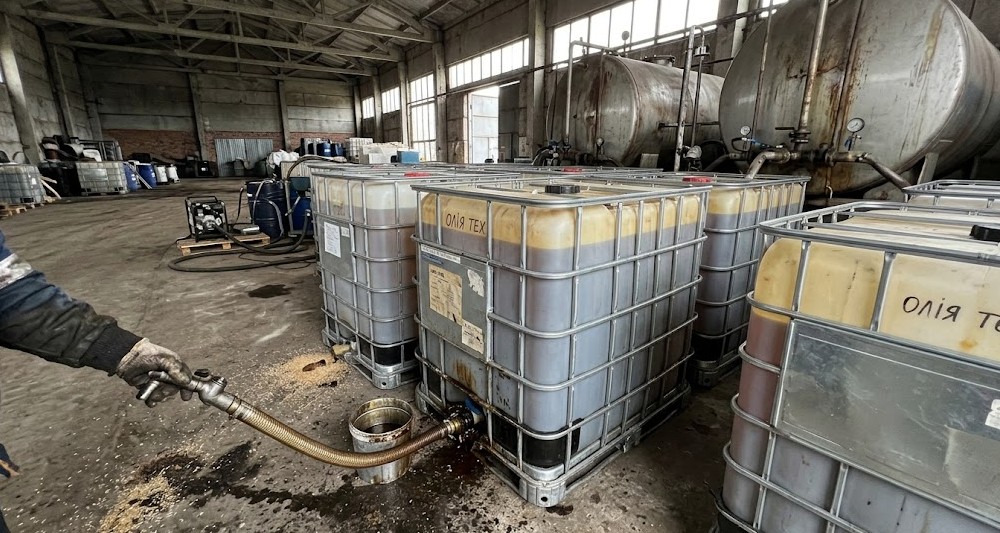
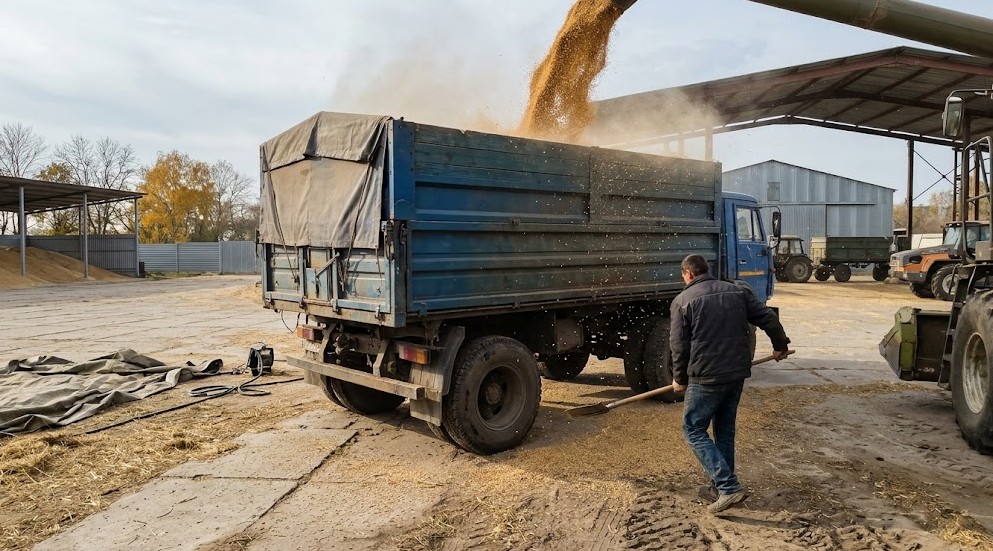
Agricultural raw material storage: preparing a lot for warehousing, weighing and onward dispatch
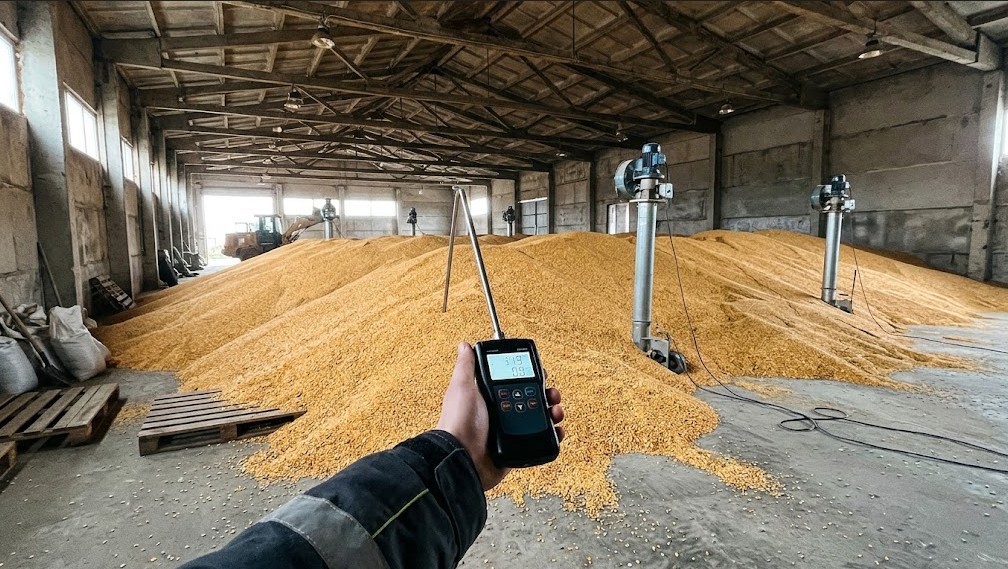
Agricultural raw material storage starts before grain or oilseeds reach the warehouse. Earlier decisions matter: the condition on arrival, whether the lot will be weighed, whether its parameters are known and whether its onward movement is planned. For the owner, this concerns not just warehouse space but control over weight, quality, timing and future sale or processing.
During the season, when many lots need quick decisions, poorly organised storage can create unnecessary risks. Raw material may be waiting for a buyer, conditioning, processing or dispatch. In every case, its condition should be recorded and its movement clear to both parties.
When to place agricultural raw materials in storage
The most obvious case is when crops have been harvested but are not ready for sale. The owner may be waiting for better commercial terms, assembling a larger shipment or arranging processing. The warehouse then becomes a temporary but important link between the field, grain elevator, buyer or production facility.
Another scenario is when a buyer is already secured but logistics or intake require time. Storage avoids leaving products on trucks and helps organise vehicles, documents and schedules. This is particularly relevant for wholesale lots, where a one-day delay can affect several subsequent stages.
A third option is to accept, weigh, test and possibly condition the raw material before deciding its next use. Here, what matters is organised warehousing and weighing infrastructure, where intake, stock records and quality control operate as one process, rather than floor area alone.
What information is needed before warehouse intake
Prepare a brief lot description: crop, tonnage, loading location, expected arrival date, raw material condition, available analyses and subsequent plans. These may include storage pending sale, preparation for processing, volume accumulation or dispatch after agreement with the buyer.
Disclose elevated moisture, impurities, uneven quality or other issues immediately. They do not always prevent intake, but they affect storage conditions, conditioning requirements and expected results. Discovering them only after transport arrives makes the process slower and less predictable.
Advance information also benefits the owner. It makes arrival time, weighing procedures, sampling, documents and next steps easier to coordinate. Fewer follow-up questions reduce the risk of a truck waiting without a clear decision.
Why weighing matters as much as storage itself
Weighing is the starting point for lot accounting. Without an accurate weight, reliable storage, settlement, conditioning, sale or processing is difficult. Weight control should therefore be part of the raw material’s normal route rather than a formality.
For the seller or owner, weighing establishes the actual quantity entering the site. For the buyer or contractor, it provides the basis for intake and subsequent documents. Accurate initial records become even more important if the lot will be divided, blended with other quantities or dispatched in parts.
At SeedWay Oil, raw material intake is linked to weight control, laboratory testing and onward lot movement. This reduces disputes and supports work based on recorded data rather than approximate figures.
What to check before storing grain or oilseeds
Understand the raw material’s actual condition before storage. For cereals, relevant parameters may include moisture, foreign matter, grain impurities, test weight, protein and others depending on the crop. For oilseeds, these include moisture, impurities, oil content, lot condition and other parameters relevant to sale or processing.
If quality has not been confirmed, do not postpone testing. Laboratory analysis of agricultural raw materials helps establish whether products can be stored safely or need drying, cleaning or separate agreement on conditions. This is particularly important for storage lasting more than a few days.
Analysis should not be seen as an unnecessary formality. It helps avoid decisions based on visual judgement alone. Recording parameters at the outset makes storage, sale, conditioning and logistics easier to plan.
When drying or conditioning is needed before storage
Storing a high-moisture lot without preparation is risky. Moisture affects raw material stability, can reduce quality and may create problems during subsequent sale. Discuss grain drying or other conditioning first, then decide on storage duration.
Moisture is not the only issue. Raw material with impurities or uneven quality may also need preparation. Owners should therefore consider storage together with conditioning.
The practical sequence is simple: record lot condition, identify risks, then agree whether immediate storage is possible or preparation is needed. This works for both the seller and the receiving site.
How to plan dispatch after storage
Storage is useful when there is a clear onward plan. A lot may be sold, processed, moved internally or delivered to a buyer. Without advance agreement, transport, documentation or dispatch scheduling delays may arise after storage ends.
Decide immediately who arranges transport, when dispatch is needed, how much will leave the warehouse and whether parameters require retesting. Agricultural product transport can be agreed in advance to avoid losing time once the decision is made.
For B2B transactions, control over the entire route matters alongside warehouse availability. Linking weighing, storage, testing, conditioning and logistics helps owners control timing and commercial outcomes.
FAQ: quick answers about agricultural raw material storage
What information is needed before placing a lot in storage?
Provide the crop, tonnage, loading location, arrival date, raw material condition, available analyses, documents and subsequent plans: sale, processing, volume accumulation or dispatch to a buyer.
Can grain with elevated moisture be stored?
Only after separate agreement. Elevated moisture can put quality at risk, so drying or other conditioning often needs consideration before storage.
Why is weighing needed before storage?
It records the actual quantity at intake. This matters for stock records, documents, subsequent sale, processing or partial dispatch.
Is laboratory analysis needed before storage?
It is advisable, particularly for longer storage or where quality is uncertain. Analysis helps assess moisture, impurities and other parameters affecting storage safety and conditions.

Fill out the form and we'll get in touch with you!
Contact Information